Acupressure Therapy: Unlocking the Body’s Natural Healing Power
 by
by 
In today’s fast-paced world, where stress and chronic pain are common, many of us are searching for more natural, holistic ways to heal. Enter acupressure therapy — a centuries-old practice that harnesses the power of touch to stimulate the body’s own healing abilities.
If you’re new to acupressure or curious about how it works, you’re in the right place. In this guide, we’ll break down what acupressure is, how it supports natural healing, and how you can start using it to improve your well-being.
Understanding Acupressure Therapy
What Is Acupressure and How Does It Work?
Acupressure is a form of traditional Chinese medicine (TCM) that involves applying gentle pressure to specific points on the body, known as acupoints. These points lie along energy pathways, or meridians, which are believed to connect to different organs and systems in the body.
By stimulating these points, acupressure is said to clear energy blockages, promote circulation, reduce tension, and restore balance — all of which help the body heal naturally.
Think of it like a deep-tissue massage combined with energy work. No needles involved (unlike acupuncture), just the healing power of your hands or the hands of a skilled practitioner.
The Origins and Principles of Acupressure
Acupressure has been practiced for over 2,000 years, rooted in the same philosophies as acupuncture. The core idea is that “Qi” (pronounced “chee”) — or vital energy — flows through the body, and when this flow is disrupted, it can lead to illness or discomfort.
Traditional Chinese medicine holds that restoring this balance through acupressure can stimulate the body’s natural self-healing processes, improving both physical and mental health.
Today, acupressure is used worldwide — not just in clinics but also in homes and wellness centers — as a safe, effective alternative or complement to modern medicine.
How Acupressure Stimulates Natural Healing
Energy Flow and the Meridian System
The human body has 12 primary meridians, each connected to a specific organ system like the lungs, liver, or stomach. Along these meridians are hundreds of pressure points — think of them as access points to influence internal functions.
When you apply pressure to one of these points, you’re essentially stimulating the flow of Qi, which encourages your body to:
- Reduce inflammation
- Alleviate pain
- Boost immune function
- Improve circulation
- Calm the nervous system
This is why acupressure can be so effective for a wide range of conditions — it works on multiple systems at once.
Trigger Points and Their Connection to Health
While meridians are central to acupressure, modern science has also found overlap with myofascial trigger points — tight knots in muscles that refer pain to other areas. Pressing these points can release muscle tension, ease headaches, and even reduce nerve pain.
For example, the LI-4 point (between your thumb and index finger) is known for relieving headaches, while the PC-6 point (on your inner forearm) can reduce nausea and anxiety.
These points are easy to learn, and once you know them, you can treat yourself anytime, anywhere.
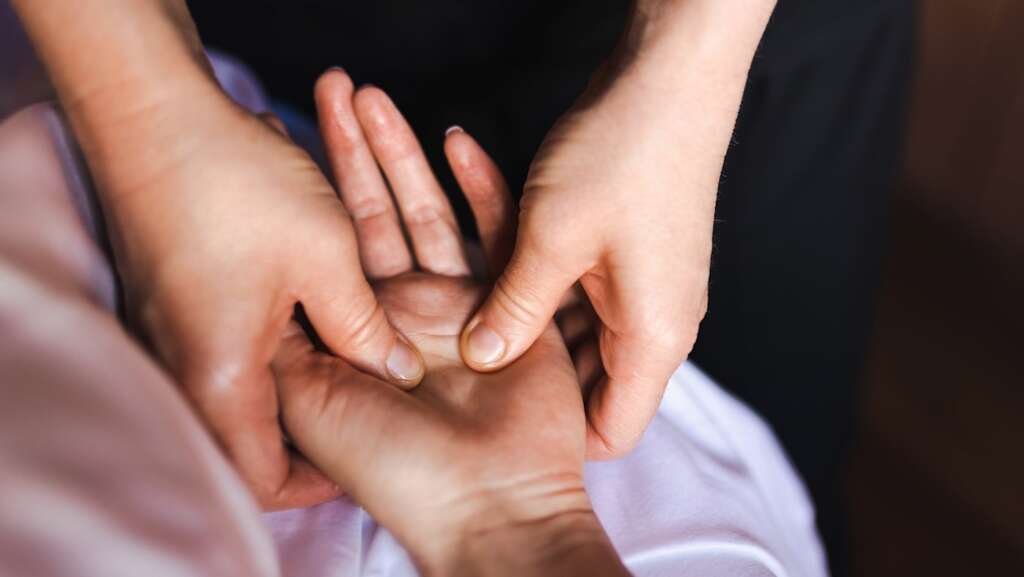
Health Benefits of Acupressure Therapy
Pain Relief and Muscle Relaxation
One of the most well-known benefits of acupressure is pain relief. Whether it’s chronic back pain, neck stiffness, menstrual cramps, or arthritis, acupressure can offer real relief by:
- Relaxing tense muscles
- Increasing blood flow to sore areas
- Triggering endorphin release, the body’s natural painkillers
Unlike medication, acupressure doesn’t just mask symptoms — it helps address the root cause of tension or imbalance.
Mental Health, Stress, and Sleep Improvement
Acupressure isn’t just for the body — it’s a powerful tool for the mind too. Regular sessions have been shown to:
- Lower cortisol (the stress hormone)
- Reduce symptoms of anxiety and depression
- Improve sleep quality
- Increase energy and focus
By stimulating calming acupoints like GV-20 (top of the head) or HT-7 (wrist crease), you can activate the parasympathetic nervous system — helping your body shift into “rest and digest” mode.
Many people use acupressure daily as part of a mindfulness or relaxation routine.
How to Practice Acupressure Safely
Self-Acupressure Techniques You Can Try at Home
The beauty of acupressure is that you don’t need to be an expert to get started. Here are a few basic steps to follow:
- Identify the acupoint related to your symptoms.
- Use your thumb or index finger to apply firm, steady pressure.
- Hold the pressure for 30 seconds to 2 minutes, breathing deeply.
- Repeat on both sides of the body if applicable.
Examples to try:
- For headaches: LI-4 (web between thumb and index finger)
- For anxiety: PC-6 (inner forearm, three fingers below the wrist)
- For insomnia: KD-1 (bottom of the foot, near the arch)
Be gentle — acupressure should never feel painful. If you’re unsure about a point, consult a guidebook or a certified practitioner.
When to See a Trained Practitioner
While self-care is a great start, complex or chronic conditions may benefit from working with a certified acupressure therapist. They can:
- Create customized treatment plans
- Use professional techniques and tools
- Combine acupressure with other modalities like massage, reflexology, or acupuncture
If you’re dealing with serious health issues — like cancer, autoimmune disorders, or injury recovery — always consult your doctor before beginning acupressure therapy.
Who Can Benefit from Acupressure Therapy?
Chronic Illness, Recovery, and Preventative Care
Acupressure is incredibly versatile. It can help manage chronic conditions like migraines, fibromyalgia, IBS, and arthritis, or speed up recovery after injuries, surgeries, or childbirth.
Because it’s non-invasive and drug-free, many people use acupressure as part of a preventative wellness routine to maintain balance and energy.
Acupressure for All Ages and Lifestyles
From busy professionals to athletes to the elderly, acupressure fits into almost anyone’s lifestyle. It’s safe for:
- Children and teens (with parental guidance)
- Pregnant women (with specific precautions)
- Elderly individuals managing joint pain or circulation issues
It’s a gentle, adaptable therapy that works well alongside conventional medicine — not against it.
Conclusion and Final Thoughts
In a world full of quick fixes and synthetic solutions, acupressure therapy offers a refreshingly natural way to heal. It taps into your body’s own intelligence, guiding it back to balance through the power of touch.
Whether you’re dealing with stress, pain, or just want to feel more energized and centered, acupressure is a tool worth exploring. It’s simple, safe, and accessible — and best of all, it empowers you to take charge of your own health.
So the next time you’re feeling off, don’t rush to the medicine cabinet. Try acupressure instead. Your body already knows how to heal — sometimes, it just needs a little nudge.
FAQs
1. Is acupressure safe for everyone?
Yes, in general, acupressure is safe for all ages. However, pregnant women and people with serious medical conditions should consult a healthcare provider before starting.